
The pet food industry is undergoing a significant transformation driven by pet owners who increasingly treat their animals as family members. Demand for organic and natural pet foods continues to rise as consumers seek cleaner formulations that support long-term health rather than basic sustenance. Global organic and natural pet food markets are expanding rapidly, with projections indicating the combined segment will surpass $57 billion by 2033, up substantially from levels around $31 billion in 2024. The organic portion alone is expected to grow at a compound annual rate near 9 percent in coming years. This growth reflects broader shifts toward premium nutrition focused on allergies, digestion, weight management, and overall vitality.
Rising Demand and Key Market Drivers
Pet humanization remains the primary force behind the trend. Owners now prioritize foods free from artificial additives, preservatives, synthetic fillers, and unnecessary chemicals. Concerns over food sensitivities, obesity rates in dogs and cats, and digestive issues have accelerated interest in limited-ingredient recipes, single-protein options, and formulations that more closely resemble a natural diet.
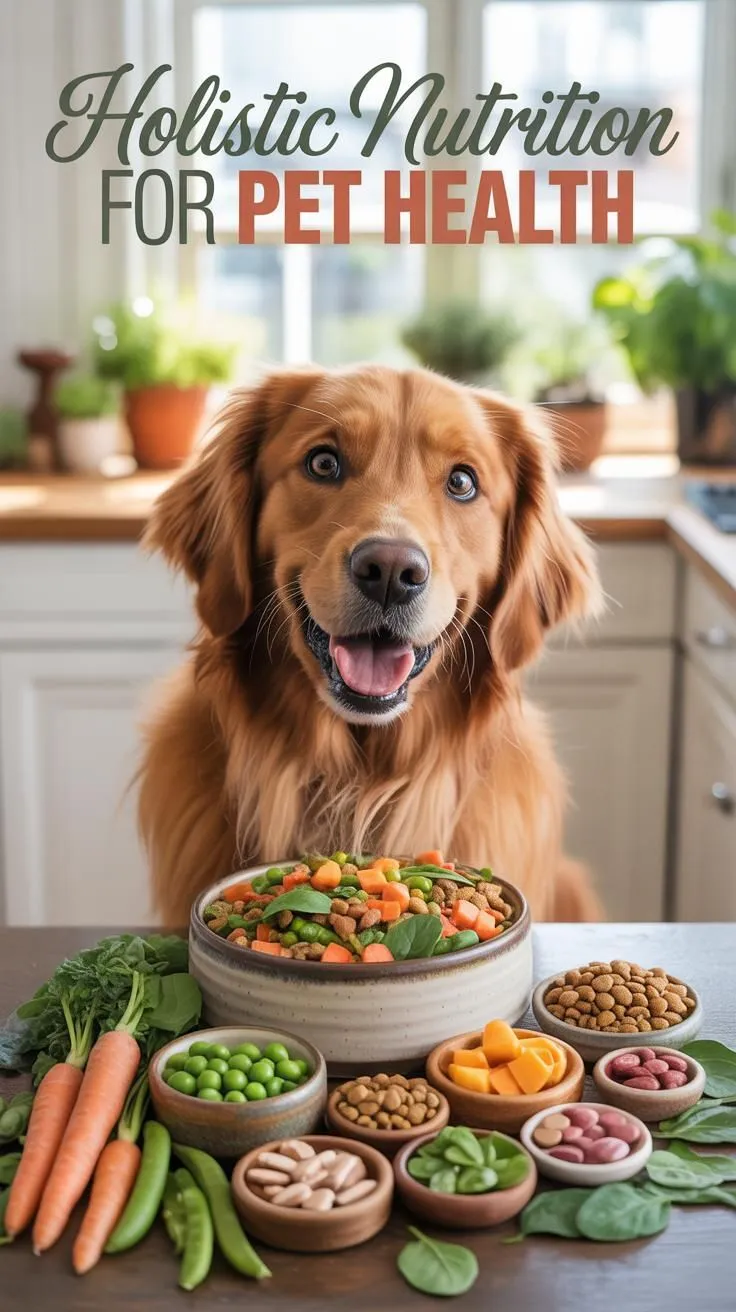
Functional ingredients are gaining prominence. Recipes increasingly incorporate probiotics and prebiotics for gut balance, omega-rich oils for skin and coat support, and superfoods such as blueberries, chia seeds, turmeric, and kale for antioxidant and anti-inflammatory benefits. Processing methods like freeze-drying and air-drying help preserve nutrients and flavor while minimizing reliance on artificial preservatives. Sustainability also plays a growing role, with interest in alternative proteins, including insect-based sources, and eco-friendly packaging.
Search interest and purchasing patterns confirm sustained attention to natural and organic options, while older trends such as purely grain-free formulations have lost some momentum among many consumers. Younger pet owners and those with senior animals are especially willing to invest in higher-quality nutrition that addresses specific life-stage or health needs.
Understanding Organic and Natural Labels
Organic pet food follows strict standards similar to those for human food. Ingredients must come from sources produced without synthetic pesticides, chemical fertilizers, genetically modified organisms, routine antibiotics, or growth hormones. Livestock used for meat typically receive organic feed and have outdoor access. Products meeting high thresholds of organic content may carry official seals.
Natural pet food, by contrast, emphasizes ingredients derived from plant, animal, or mineral sources without artificial colors, flavors, or preservatives, though definitions can be less stringent than organic certification. Both categories appeal to owners seeking transparency and fewer synthetic additives. Importantly, any pet food—organic, natural, or conventional—must still meet complete and balanced nutritional standards for the animal’s life stage to support health properly.
Reduced Exposure to Unwanted Residues
One of the clearest advantages of organic ingredients is lower levels of pesticide and herbicide residues. Research on crops shows conventional produce is substantially more likely to contain detectable residues than organically grown counterparts. Because pets often eat the same diet daily and are smaller relative to humans, cumulative exposure can be a consideration. Choosing organic reduces the dietary load of these substances, which may ease demands on the liver and kidneys over time.
Organic standards also prohibit routine antibiotic use in livestock, supporting healthier fat profiles in meat and helping preserve microbial balance in the pet’s system. These factors contribute to cleaner nutrition even when overall macronutrient profiles between organic and non-organic options appear similar.
Support for Digestive Health and Nutrient Absorption
Natural and organic formulations frequently use higher-quality proteins, whole-food ingredients, and fewer low-value fillers. Many pets experience improved stool quality, reduced gas or bloating, and better overall digestion when switched to such diets. The inclusion of prebiotics, probiotics, and fiber from natural sources helps maintain a balanced gut microbiome, which influences nutrient absorption, immune function, and even behavior through the gut-brain connection.
Whole ingredients can retain more phytonutrients compared with highly fractionated components. Processing methods that minimize heat damage further support bioavailability. Owners often report steadier energy levels and fewer digestive upsets once pets adjust to these cleaner recipes.
Benefits for Skin, Coat, and Allergy Management
Skin and coat issues, along with food sensitivities, rank among the most common reasons owners explore alternative diets. Artificial colors, flavors, preservatives, and certain common proteins or fillers can contribute to itching, dull coats, or recurrent ear and skin problems in sensitive animals. Natural and organic foods typically avoid these additives and often feature novel or limited proteins that reduce exposure to frequent allergens.
Omega-3 fatty acids from quality sources, along with antioxidants from fruits and vegetables, support skin barrier function and reduce inflammation. Many owners observe shinier coats, less scratching, and improved comfort after transitioning. Veterinary recommendations for elimination diets or limited-ingredient formulas frequently align with natural or organic options because of their ingredient transparency.
Immune Support, Weight Management, and Longevity Potential
A well-functioning gut and reduced chemical load contribute to stronger immune responses. Functional ingredients such as antioxidants and anti-inflammatory compounds found in organic produce and responsibly raised meats further aid cellular protection and joint comfort, particularly relevant for senior pets.
Obesity remains widespread among companion animals. Nutrient-dense, highly digestible organic and natural foods can help owners manage calories more effectively while still providing satiety and essential nutrients. Combined with portion control and activity, these diets support healthier body condition. Over time, better weight management, reduced chronic inflammation, and improved digestive and immune function may contribute to higher quality of life and longer healthy years, though individual results always depend on genetics, veterinary care, and overall lifestyle.
Practical Considerations When Choosing Organic or Natural Pet Food
Not every product labeled “natural” or “organic” delivers equal value. Look for clear ingredient lists, life-stage appropriateness, and evidence of complete and balanced nutrition. Transition gradually to avoid digestive upset. Consult a veterinarian, especially for pets with medical conditions, to ensure the diet meets specific needs and to monitor progress.
Cost is often higher for certified organic options, yet many owners view the investment as preventive care. Sustainability claims, packaging, and ethical sourcing add further value for environmentally conscious consumers. E-commerce and specialized retailers have made a wider range of high-quality products more accessible.
Looking Ahead
The movement toward organic and natural pet food reflects a lasting change in how people care for their animals. Market expansion, innovation in functional ingredients, and growing awareness of the links between diet and health ensure continued evolution. While scientific comparisons of organic versus conventional pet food nutrition remain limited in some areas, the reduction in unwanted residues, emphasis on whole-food quality, and focus on functional benefits provide meaningful advantages for many pets.
By selecting thoughtfully formulated natural and organic options, pet owners can support digestion, skin health, immune resilience, and overall vitality. The result is not only better daily well-being but also a stronger foundation for a longer, more comfortable life alongside their animal companions.
Read more – gloryhouseworld.com
