
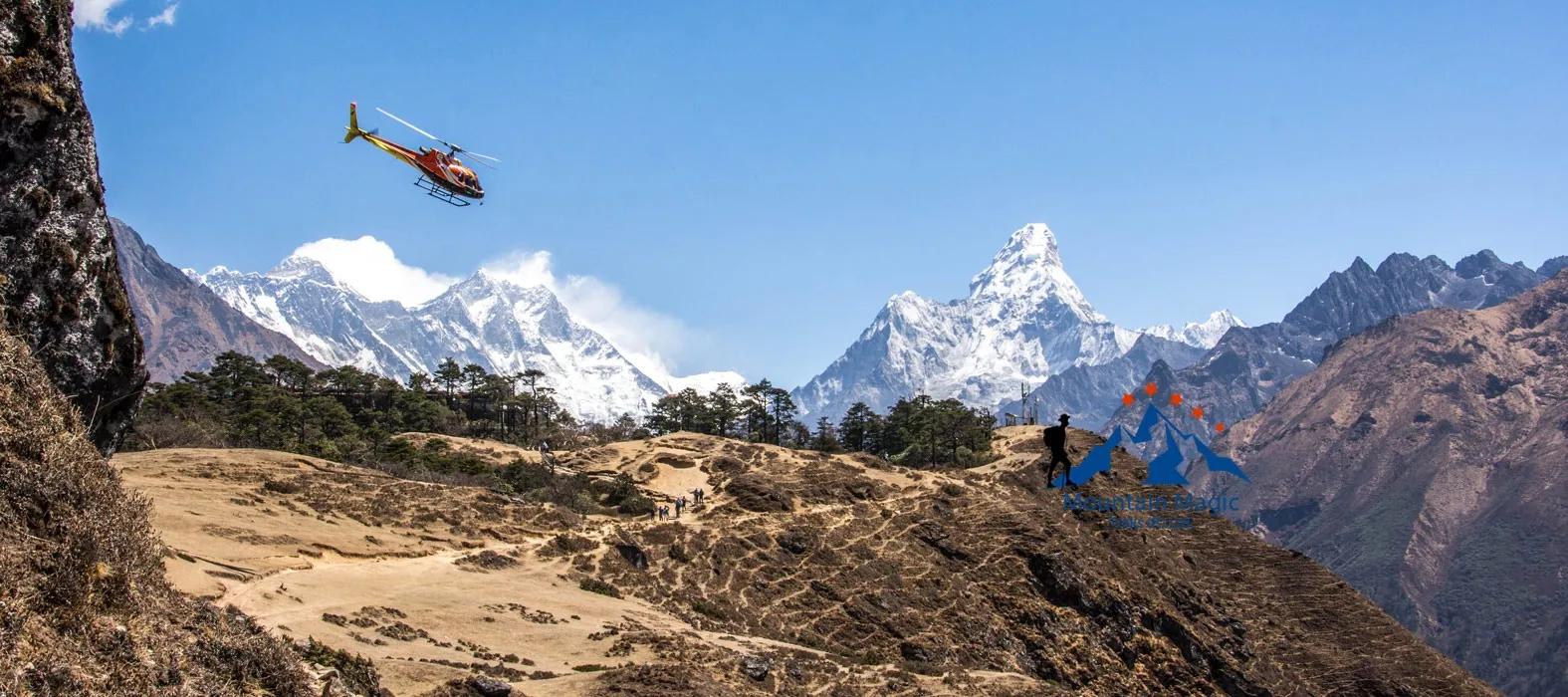
The journey toward Everest Base Camp passes through one of Nepal’s most important protected mountain areas. This region contains high peaks, glaciers, forests, rivers, wildlife habitats, and settlements that have developed around the Himalayan environment. Protecting these natural resources is important for both local communities and future visitors.
During the Everest Base Camp Trek with Helicopter Return, trekkers enter Sagarmatha National Park while following the route toward Namche Bazaar. The park is more than a scenic area. It has conservation rules, entry procedures, and environmental responsibilities that visitors should understand before beginning the higher sections of the journey.
What Is Sagarmatha National Park?
Sagarmatha National Park is a protected area in Nepal’s Solukhumbu District. It includes Mount Everest, surrounding Himalayan peaks, valleys, glaciers, and several mountain settlements.
The park was established in 1976 and later received UNESCO World Heritage Site recognition in 1979. Its landscape includes dramatic changes in elevation, from forested lower valleys to high alpine terrain.
Why the Protected Area Is Important
The park protects several important natural features:
-
Mountain ecosystems at different elevations.
-
Forests and alpine vegetation.
-
Wildlife habitats.
-
Glacial and river environments.
-
Cultural landscapes connected with local communities.
Its conservation work helps protect an environment that faces pressure from tourism, climate change, and waste management challenges.
Where Does the Trek Enter the National Park?
The trekking route from Phakding toward Namche Bazaar passes through Monjo, where trekkers reach the Sagarmatha National Park entry area.
This is an important point on the lower Khumbu route. Visitors may need to present their permits and complete the required entry checks before continuing.
Keep Your Permit Information Accessible
Travelers should carry the documents required for the trek and follow the instructions provided by their guide.
The main trekking arrangements may involve:
-
Sagarmatha National Park entry permit.
-
Khumbu Pasang Lhamu Rural Municipality permit.
-
Passport or identification details where requested.
-
Confirmation of the required entry documentation.
The company can explain which permits are included in the package and how the registration process is handled.
Why Entry Checks Are Part of the Trek
Protected areas need a system to manage visitor access and maintain records. Entry checks help authorities confirm that trekkers have the required documentation.
They also support the management of tourism activity within the park.
What Trekkers Should Expect
At the entry point, travelers may be asked to show their permits or provide details for verification. The process is usually handled at the designated checkpoint.
Keep your documents in a safe but accessible place. Avoid placing important papers deep inside a large duffel bag, where they may be difficult to retrieve.
Following the guide’s instructions can make the process easier.
Understanding the Park’s Changing Ecosystems
One of the most interesting features of Sagarmatha National Park is its wide range of natural environments.
The lower sections include forests and river valleys. As the route climbs, trees become less common, and the landscape gradually changes into open alpine terrain.
From Forests to Alpine Landscapes
On the lower trail, trekkers may see areas with pine, fir, and other mountain vegetation. Higher up, plants become shorter and more adapted to cold conditions, strong winds, and a shorter growing season.
Near settlements such as Dingboche and Lobuche, the environment looks very different from the greener valleys below.
This change is one reason the park is valuable for understanding how plants and wildlife adapt to different elevations.
Wildlife and Responsible Observation
Sagarmatha National Park provides habitats for several mountain wildlife species. The region is known for animals such as the Himalayan tahr, musk deer, and Himalayan monal.
However, seeing wildlife during a trek is never guaranteed. Animals may remain hidden or move through areas away from the main trail.
How to Behave Around Wildlife
If you spot an animal, observe it from a safe distance. Avoid shouting, chasing, feeding, or trying to approach it for a photograph.
Food should remain packed securely, and rubbish should never be left behind.
Wild animals need their natural behavior and habitat to remain undisturbed. Responsible visitors help protect that balance.
Waste Management Within the Protected Area
Tourism creates waste that must be handled carefully in remote mountain settlements.
Plastic packaging, food containers, batteries, and other discarded materials can damage the landscape if they are left along trails or near water sources.
Waste collection and disposal are more difficult in high mountain areas because transportation facilities are limited.
Practical Steps for Trekkers
Visitors can reduce their impact by following simple habits:
-
Carry personal rubbish until an appropriate disposal point is available.
-
Avoid leaving plastic bottles and food wrappers behind.
-
Use reusable water bottles where practical.
-
Follow the waste instructions provided by lodges and guides.
-
Never throw rubbish into rivers or streams.
-
Keep batteries and other electronic waste separate for proper disposal.
The Everest Base Camp Trek with Helicopter Return passes through villages and protected landscapes where responsible waste habits matter throughout the journey.
Respecting Local Communities Inside the Park
Sagarmatha National Park is not an empty wilderness. People live and work within the region, maintaining homes, businesses, farms, monasteries, and local services.
The Sherpa communities are closely connected with the area’s history and mountain traditions. Their knowledge and daily work play an important role in supporting life in the Khumbu.
Be a Respectful Visitor
Travelers should remember that village paths and public spaces are part of local life.
Respect private property, ask before taking photographs of residents, and follow local customs around monasteries and religious structures.
Buying services from local businesses and following responsible tourism practices can also support the communities along the route.
How the National Park Fits Into the Full Itinerary
The protected area becomes an important part of the journey after trekkers leave the lower settlements around Phakding and move toward Namche Bazaar.
The route then continues through Tengboche, Pangboche, Dingboche, and Lobuche before reaching Gorakshep and Everest Base Camp.
The landscape changes with every major elevation gain, but the responsibility to protect it remains the same.
After visiting the high mountain area and reaching the planned return point near Gorakshep, the package includes a helicopter journey back toward Kathmandu, subject to operational and weather conditions.
Final Thoughts
Sagarmatha National Park protects the natural and cultural landscape surrounding Mount Everest. Its forests, wildlife habitats, glaciers, villages, and mountain trails make it an important part of Nepal’s protected-area network.
During the Everest Base Camp Trek with Helicopter Return, travelers enter this protected region through the Monjo area and continue toward the higher Khumbu settlements. Understanding the entry process, carrying the required documents, and respecting conservation rules helps make the journey more responsible and organized.
Frequently Asked Questions
1. Where do trekkers enter Sagarmatha National Park?
The route from Phakding toward Namche Bazaar passes through the Monjo entry area.
2. When was Sagarmatha National Park established?
It was established in 1976 and became a UNESCO World Heritage Site in 1979.
3. Which permits are required for the Everest Base Camp route?
The route generally requires the Sagarmatha National Park entry permit and the Khumbu Pasang Lhamu Rural Municipality permit.
4. Can trekkers see wildlife inside the park?
Wildlife lives in the protected area, but sightings are not guaranteed. Visitors should observe animals from a safe distance.
5. How can trekkers help protect the park?
They can carry their rubbish, follow local rules, avoid disturbing wildlife, and respect village and religious sites.
